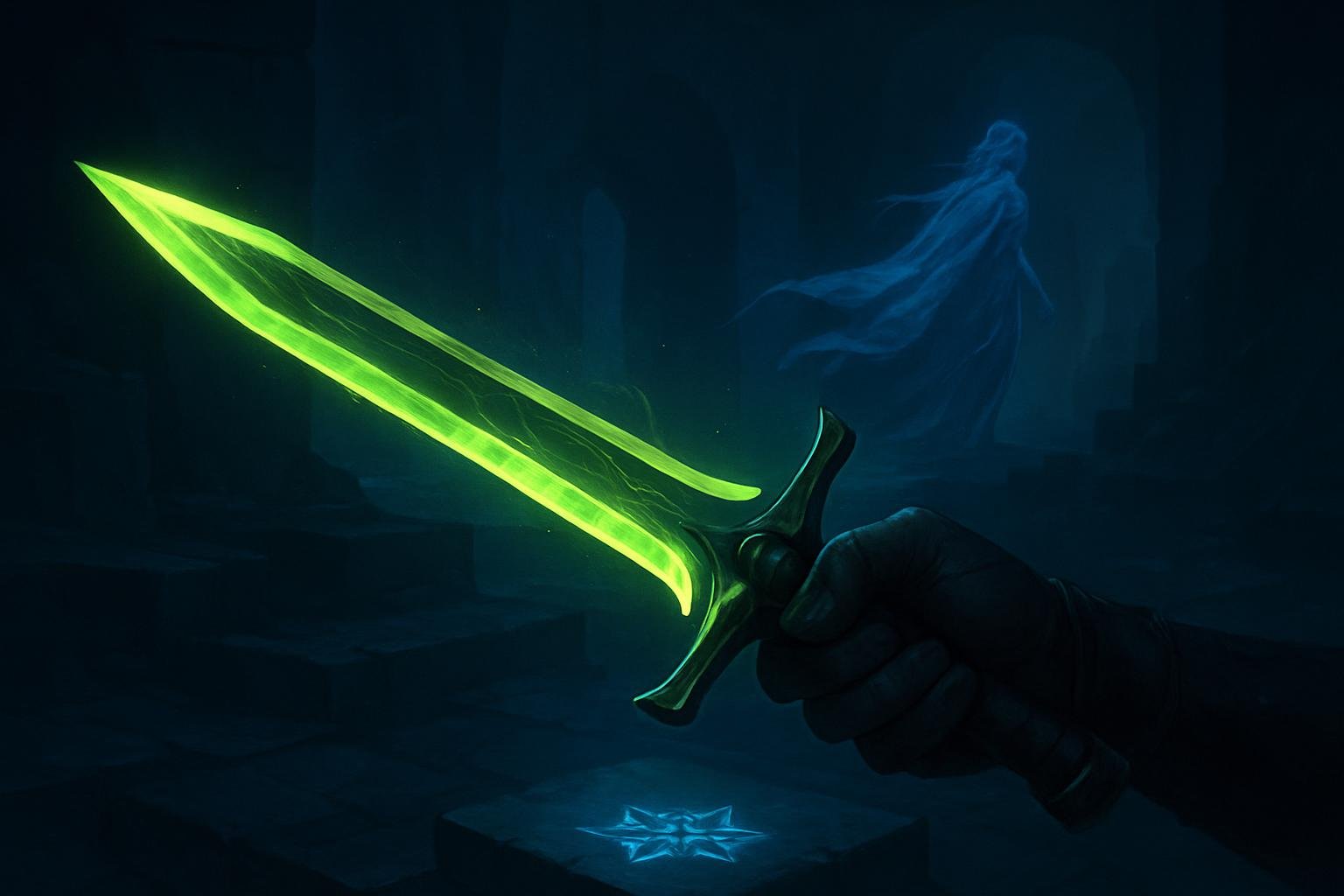
FragPunk’s Farlands Launches in Global Early Access With Persistent PvPvE Delivery Runs
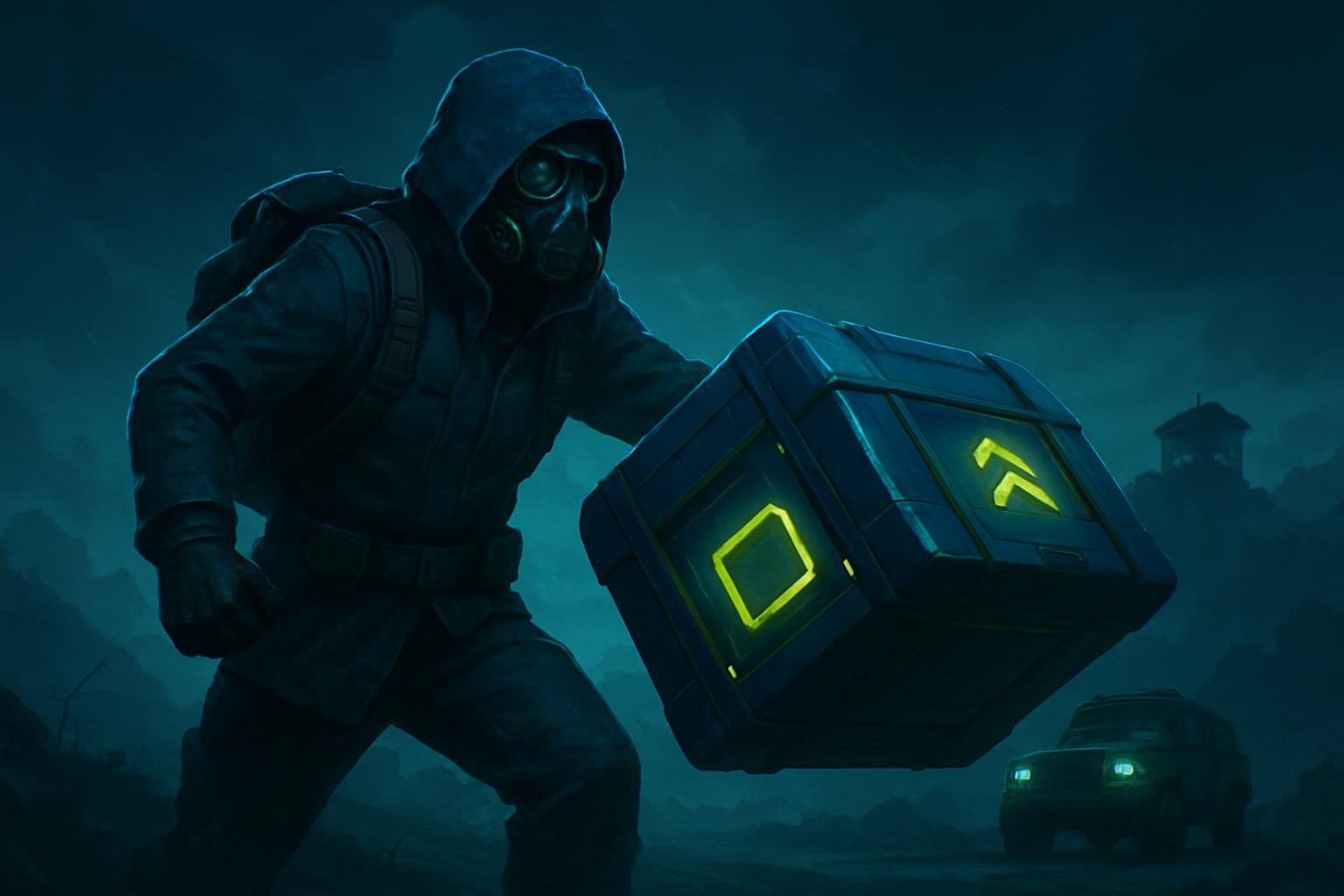
FragPunk has launched Farlands, a persistent-world PvPvE adventure built around accepting cargo orders, gathering resources and getting deliveries home through a world that keeps changing. It entered Global Early Access on PC and console; the Xbox announcement also says FragPunk is free to play on Xbox.
Farlands changes the focus from a straightforward trip between two points to managing a run with several moving risks. Cargo weight, weather, hostile forces and other players can all affect whether a delivery succeeds. Resources earned from successful runs can then go toward equipment and base development, linking the immediate challenge of carrying a load to longer-term character and settlement progression.
One server, a five-day cycle
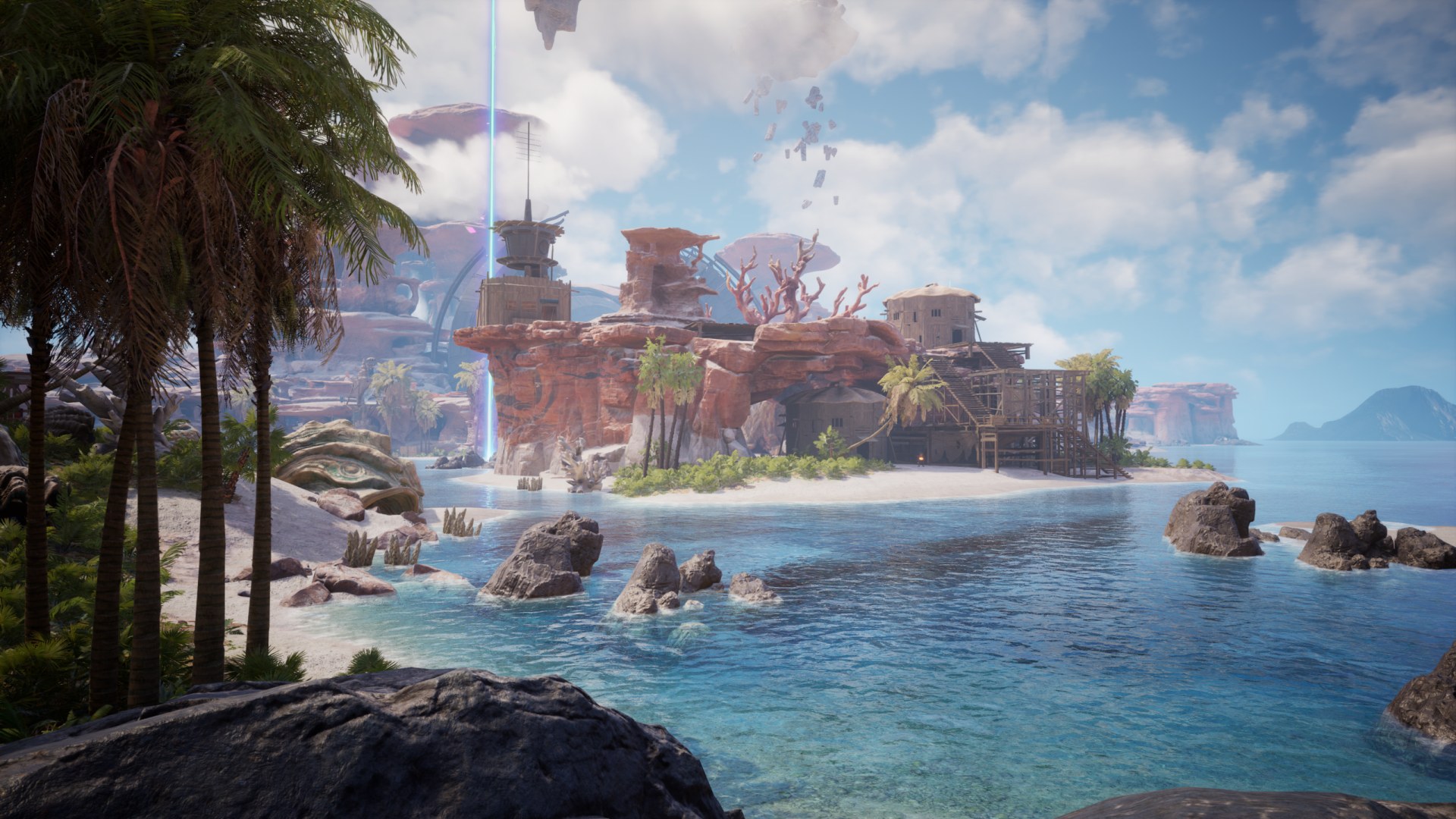
Farlands uses persistent servers that players can return to, rather than treating each visit as an entirely separate world. Each server runs on a five-day cycle, with in-game time moving continuously. Players can revisit the same environment to take orders, collect resources or fight, while the world’s conditions and threats continue to develop.
That persistence also gives combat consequences beyond the encounter in front of you. Fighting enemies contributes to changes in faction levels, which affect the strength, number and distribution of hostile forces on a server. The announcement doesn’t present a cleared area as permanently safe: an outpost where players have defeated its defenders can later see enemies return, and those opponents may become stronger over time.
There’s a corresponding reason to face those tougher threats. Defeating stronger enemies can yield rarer resources, so the evolving danger is also tied to the materials players may want for progression. A server’s changing state can therefore affect both the risk of a delivery and the potential reward for venturing into hostile territory. The source doesn’t give a fixed schedule for how quickly those shifts happen beyond describing the five-day server cycle and ongoing changes.
The world also includes creatures, factions and other players as possible dangers, rather than making every problem a combat encounter with the same kind of opponent. Players may choose to avoid a threat, engage it or look for an opportunity, according to the game description. That leaves room for a delivery to involve more than simply fighting through every obstacle, although the announcement doesn’t spell out a guaranteed safe method for any particular route.
Cargo planning matters on the road
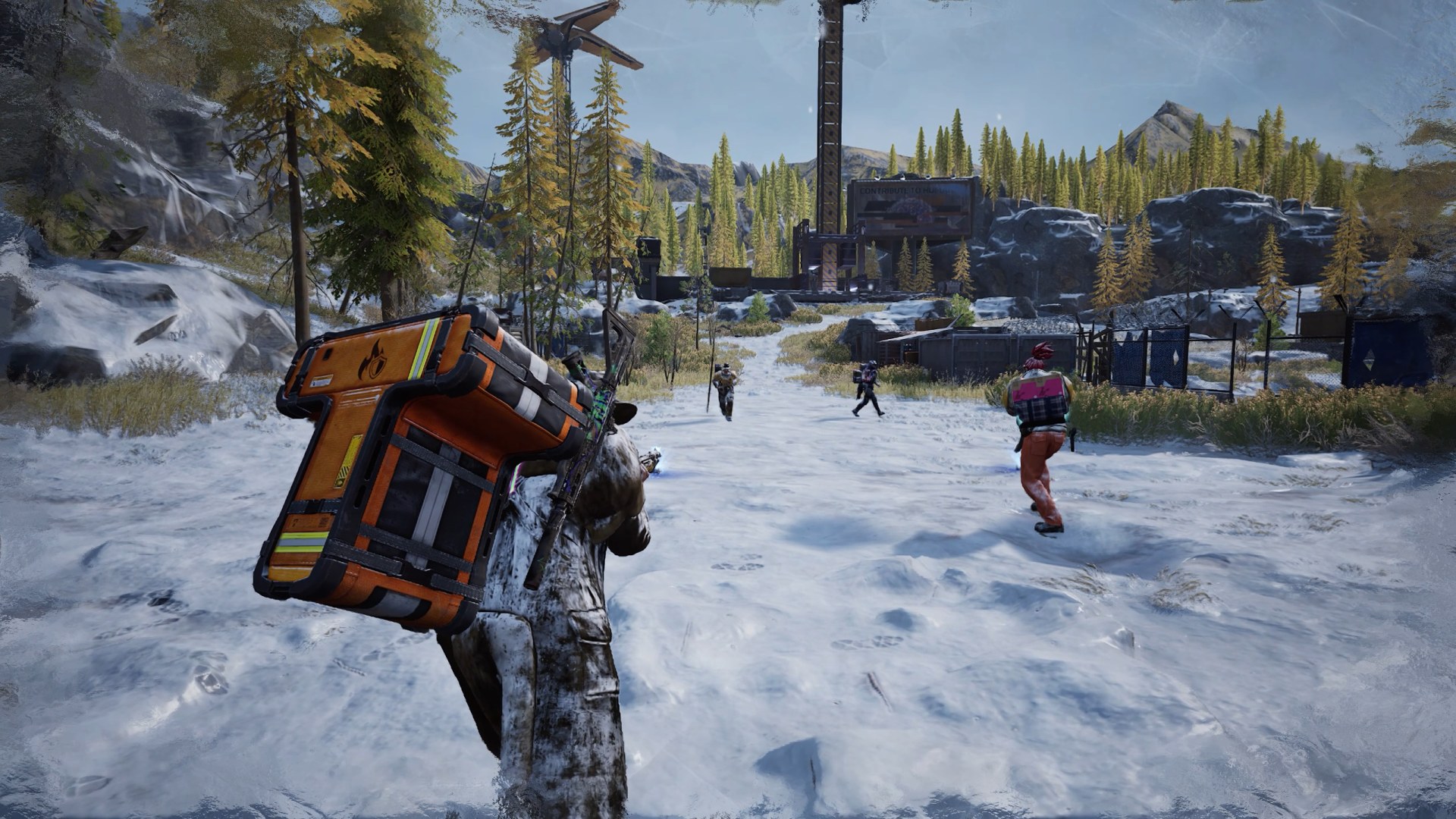
Weather is a practical part of the delivery system. Heat, cold and rain accelerate health depletion, and conditions also affect cargo transportation. Players are advised to keep an eye on their condition and consider how weather affects their ability to carry cargo while choosing loads and delivery objectives. In other words, the amount you take on isn’t just a question of what you can collect; the trip back has to remain manageable as conditions change.
The description says a route that was safe before may become dangerous, and the persistent world means players can’t assume that a previous visit tells the whole story. That makes preparation relevant before leaving the Hub: the order, cargo load, equipment and current conditions all feed into the same decision. The source doesn’t provide specific weight limits or weather values, so it’s not possible to say how much any one factor changes a run. It does establish that both cargo and weather can make transportation harder.
Farlands also puts communication inside those encounters. Global voice chat and emotes give players ways to signal or talk during combat and deliveries. The developers describe the possibility of strangers agreeing to escort valuable cargo, then turning on one another at a critical moment to take the loot. Cooperation is available, but it isn’t presented as a guarantee of trust or safety.
That uncertainty is central to the PvPvE setup: the world can threaten a courier with hostile forces, while another player may be a temporary ally or a rival. The game description frames player encounters as choices about whether to make contact, avoid someone, take an opportunity or fight. It doesn’t promise a particular outcome for those interactions, which is the point of putting communication and competing interests into the delivery loop.
Runs feed into equipment and base growth
Resources from successful deliveries can be invested in personal equipment and base development. Farlands has an attribute system in which different equipment pieces affect character stats, and its guidance recommends combining gear from matching sets to improve overall performance. That gives players a reason to consider how pieces work together rather than treating every upgrade as an isolated item.
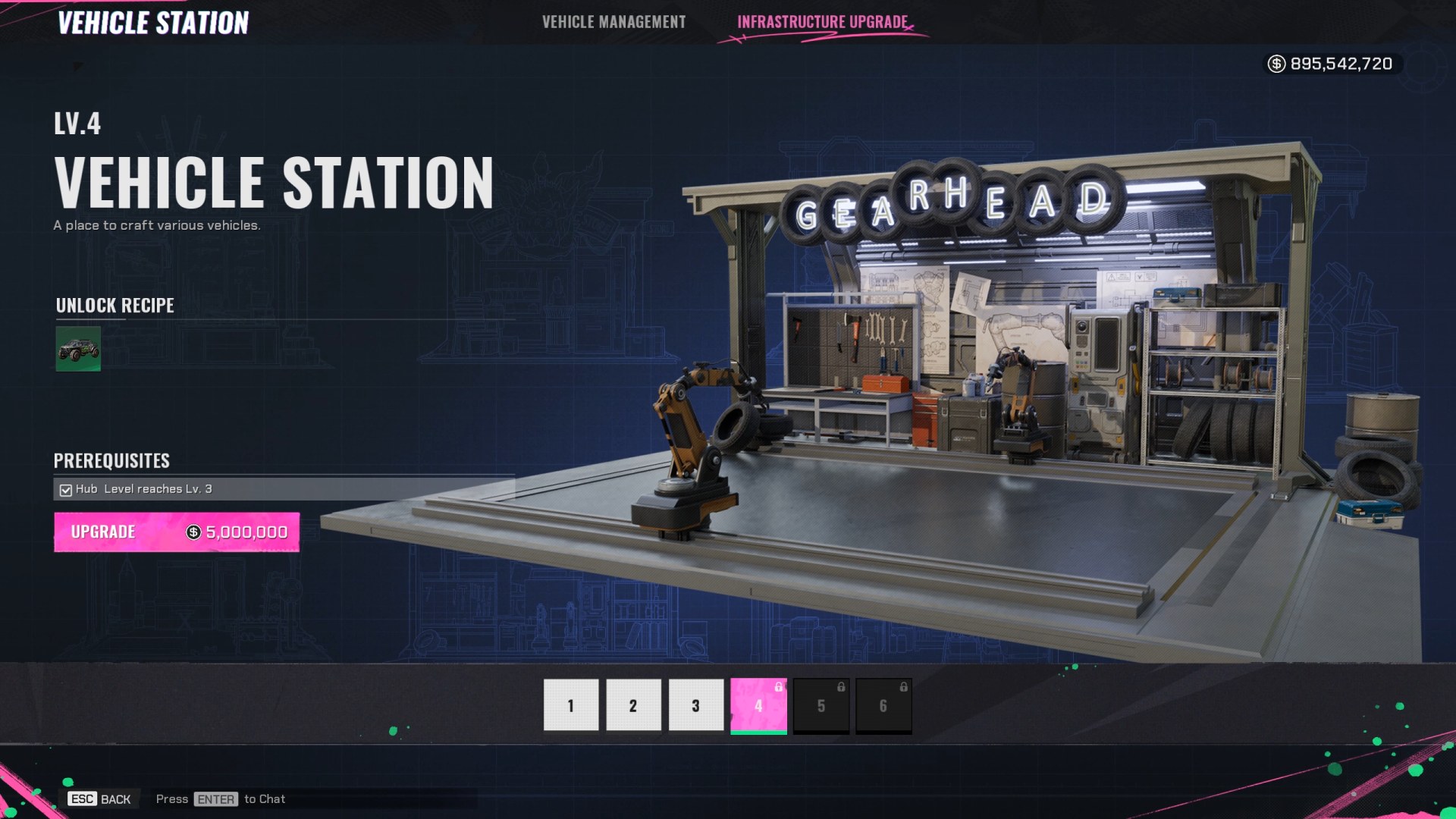
As a server progresses and its environment becomes more dangerous, players can visit NPCs at the Hub to upgrade equipment, weapons and characters. Base upgrades provide another layer of progression: leveling up the Hub unlocks advanced crafting options, character skill trees and more cargo storage. Those are concrete benefits for future runs, particularly storage, which expands the amount of cargo players can accommodate at their base.
Vehicles and blueprints extend that progression beyond basic equipment. Blueprints can be found while scavenging and gradually open up more options in the mid-to-late game. The announcement says players can collect vehicles suited to different terrain and playstyles, but it doesn’t detail specific vehicle models or explain how each one changes a delivery. The confirmed role is broader: vehicles and blueprints are additional ways to prepare for harder enemies and more demanding orders.
Farlands also brings familiar Lancers back with skills intended for this different style of play. Courier is a new Lancer with unique abilities and a story to uncover in the Shardverse. The announcement doesn’t give further ability details, so the clearest distinction is that the character is new to the roster and is part of Farlands’ narrative and delivery-focused setting.
Farlands isn’t the only addition
The announcement also describes Shard Clash, a separate 5v5 tactical shooter experience within FragPunk. Its rounds use cards that can reshape combat, with teams building strategies around card effects and adapting as matches unfold. That’s a different format from Farlands’ persistent deliveries and resource gathering, giving players another way to play within the same game.
Farlands is available in Global Early Access, so the source establishes its launch status but doesn’t provide a timetable for a full release or details about what may change during Early Access. For players deciding what the new chapter involves, the clearest difference is its connected loop: deliveries and scavenging build resources, while the persistent server, weather and player encounters keep the next trip from being a repeat of the last.