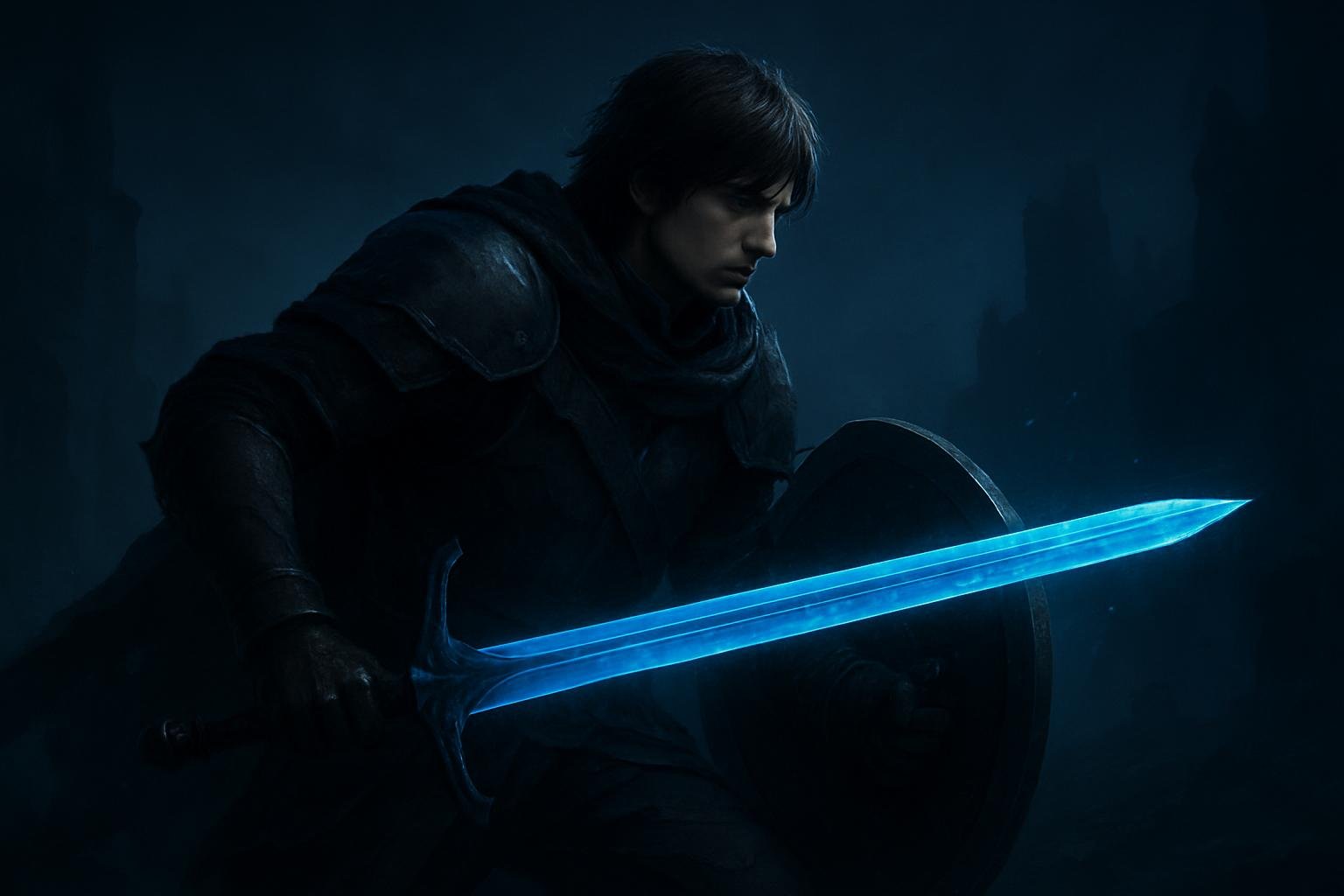
Phantom Blade Zero Connects Boss Weapons to Combat and Exploration
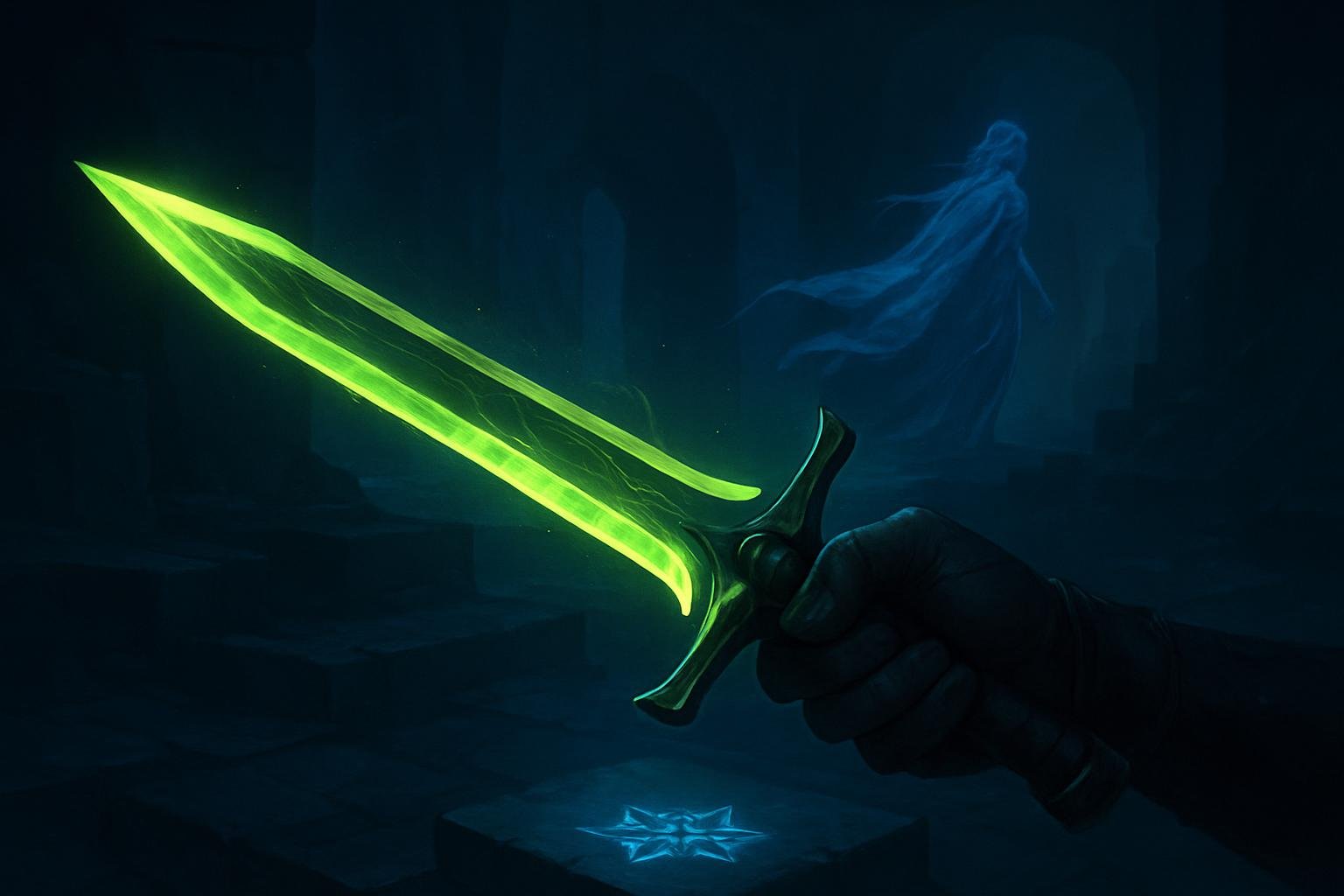
S-Game’s Phantom Blade Zero makes boss victories useful well beyond the fight itself: many of the weapons you claim from defeated bosses add new ways to attack, while certain Phantom Edge weapons also open routes through the world. That connection between combat and exploration is central to the action game’s design, according to a PlayStation Blog feature detailing its systems.
The feature describes a fast-paced mix of offense and defense rather than a combat loop built around dodging or blocking alone. Players use basic and heavier attacks to form combos and pressure opponents, while managing Sha-Chi, a meter that can leave them staggered if it runs out. The weapons, boss encounters and exploration tools all feed into that broader push to keep adapting.
Attacking matters as much as defending
The game’s combat draws comparisons to Sekiro: Shadows Die Twice and Bloodborne, but S-Game describes it as a hybrid that also takes cues from Wuxia stories and kung-fu films. The controls outlined in the feature include dodging with R1, blocking with L1 and tapping L1 to parry. Square attacks and stronger Triangle attacks give players a way to build combos while forcing enemies to defend themselves, rather than waiting for an opening throughout the encounter.
That aggression comes with a resource-management cost. Blocking drains the player’s Sha-Chi, and an empty meter can lead to a stagger that leaves Soul vulnerable. A well-timed parry, a dodge followed by a hit, or simply landing attacks instead reduces the opponent’s Sha-Chi. The result is a contest over which fighter loses the ability to keep up pressure first.
Switching between the two equipped main weapons is another part of that rhythm. Pressing left on the D-pad changes weapons and quickly restores Sha-Chi, encouraging players to rotate through both rather than settle into one string of attacks. The timing matters: a swap at the end of a strike can leave Soul ready to parry, while a switch can also set up a different weapon’s combo. In practical terms, the mechanic makes weapon choice relevant even when a player is thinking defensively.
Attacks also build Sha-Chi Essence. Once that resource is full, L2 unleashes a Power Surge that can interrupt an opponent, overpower them and deal heavy damage. Phantom Edge weapons add another layer, but their uses are limited, so the feature presents them as tools to deploy with intent rather than attacks to rely on without restraint. S-Game also says DualSense haptic feedback conveys the impact of blades clashing; that is a controller feature, not a change to the underlying combat rules.
Bosses introduce weapons with distinct uses
Rather than describing weapons as ordinary chest loot or shop purchases, the feature says most are claimed from bosses. That means players encounter a weapon’s capabilities from the other side first: they have to deal with what an opponent can do before trying those moves themselves. The approach gives boss fights a practical preview of the rewards, and it makes learning an enemy’s patterns relevant to understanding the weapon that follows.
Hua, Deadly Betrothed, is an optional early boss whose Scarlet Wraithblade demonstrates that idea. During combos, the weapon summons spider lilies on the ground. Those flowers slow enemies, giving the player a way to influence where opponents can move and to shape the space around a fight. Hua uses spider lilies herself, so the fight also asks players to watch the ground while facing her large sword and the threat of being staggered.
The White Serpent and Crimson Viper offer a different kind of choice. They are dual-wielded swords, each with its own combo, and the player can combine their moves. The feature describes using one sword at close range while sending the other spinning around Soul, giving the pair more than one way to cover space. It doesn’t give a full weapon list or spell out how every combination works, but the examples make clear that “new weapon” can mean a change in tactics, not just a different-looking strike.
Weapons can also inflict status effects. Some cause bleeding for additional damage; others let Soul siphon an enemy’s life. With bosses described as tough, the variety gives players reasons to try different loadouts and see which effects or attack patterns suit a particular opponent. The source doesn’t identify a single best weapon, and its emphasis is on experimenting with options rather than following a prescribed build.
Weapon rewards can change where you can go
The same equipment system reaches beyond battles. The Wulin’s areas are described as expansive, with side paths, secrets and routes that cannot be reached on a first visit. Some barriers require a particular Phantom Edge weapon to break, while other tools let Soul grapple to distant locations. Finding an item can therefore turn a blocked path into a reason to revisit an earlier area.
That structure makes boss rewards useful in two different ways: a weapon may add a combat option and also function as a key to a new route. The feature doesn’t specify which boss rewards unlock which locations, or how many such barriers the game contains. It does, however, describe backtracking as part of the intended exploration, with essential items opening access to places players have already encountered.
There are also side quests and stories spread throughout the world. Exploring can advance existing quests or uncover new ones, so looking down a side path may provide more than a collectible. Blue Memory Flowers, found across the world, reveal glimpses of the past and unlock stories connected to the locations Soul visits. Collecting every flower tied to a particular story also increases his health, linking those narrative discoveries to a concrete benefit in later battles.
That reward is a useful distinction: exploration isn’t presented as separate scenery between boss fights. It can provide additional story, health and tools that help with both reaching new places and handling combat. The feature doesn’t give a completion requirement for the main story, or say that every quest must be finished to progress. It frames curiosity and revisiting areas as ways to build out Soul’s options.
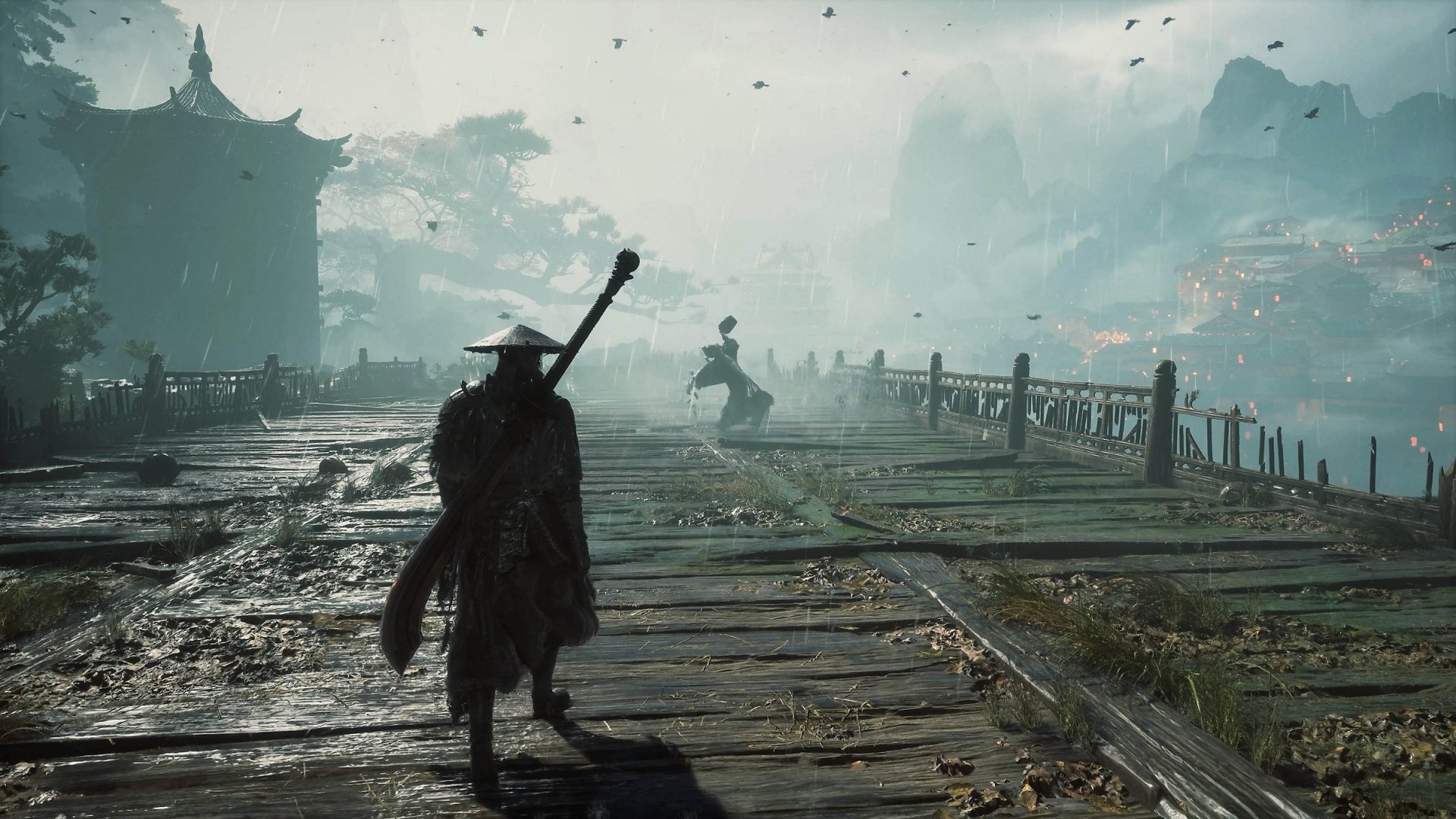
Boss fights carry pieces of the story
The bosses are also a way into the game’s darker account of the Wulin. Hua is described as an optional early encounter whose fight uses the spider lilies to sap Soul’s strength and stagger him, leaving him open to heavy sword attacks. Her story reveals that she was exploited by the man she was supposed to marry; her rage led to the deaths of the wedding party. The encounter’s mechanics and its aftermath both present her as more than a conventional villain.
Jing Ye, The Outlaw, changes the shape of a fight by beginning on horseback. He throws dirt to obscure Soul’s vision and tries to run him down. After being knocked from his mount, he uses a spiked shield that hurts Soul when attacked and a large sword that can absorb blood to heal him. Those details suggest a fight that asks the player to adjust to successive threats, not simply repeat one attack sequence.
The Gold-Masked One is encountered in the illusory realm of the Discordance and is played by Donnie Yen. His duels combine sword attacks, kicks, punches and unblockable throws that can rapidly cut through Soul’s life meter. The feature says the character’s motives emerge gradually through flashbacks, as do those of other figures connected to the forces pursuing Soul. These are story details from the developer’s description, not a complete account of how the narrative resolves.
S-Game’s presentation of the game brings its combat, questing and worldbuilding together through these encounters: learning how to survive a boss can also expose a piece of that character’s history, while side quests and memory discoveries add context beyond the fight. The source stresses that the world is tragic and that not every person Soul meets is evil or can be helped. That tone gives the weapon rewards a sharper edge: defeating an opponent may equip the player, but it doesn’t necessarily settle what their story means.
The PlayStation Blog announcement listed Phantom Blade Zero for PlayStation 5 on October 29. It does not specify a year in the supplied details, and the announcement alone does not confirm whether that scheduled release has since taken place.