Ice Cream Simulator Gives Customers Infinite Patience to Keep Shop Management Relaxed

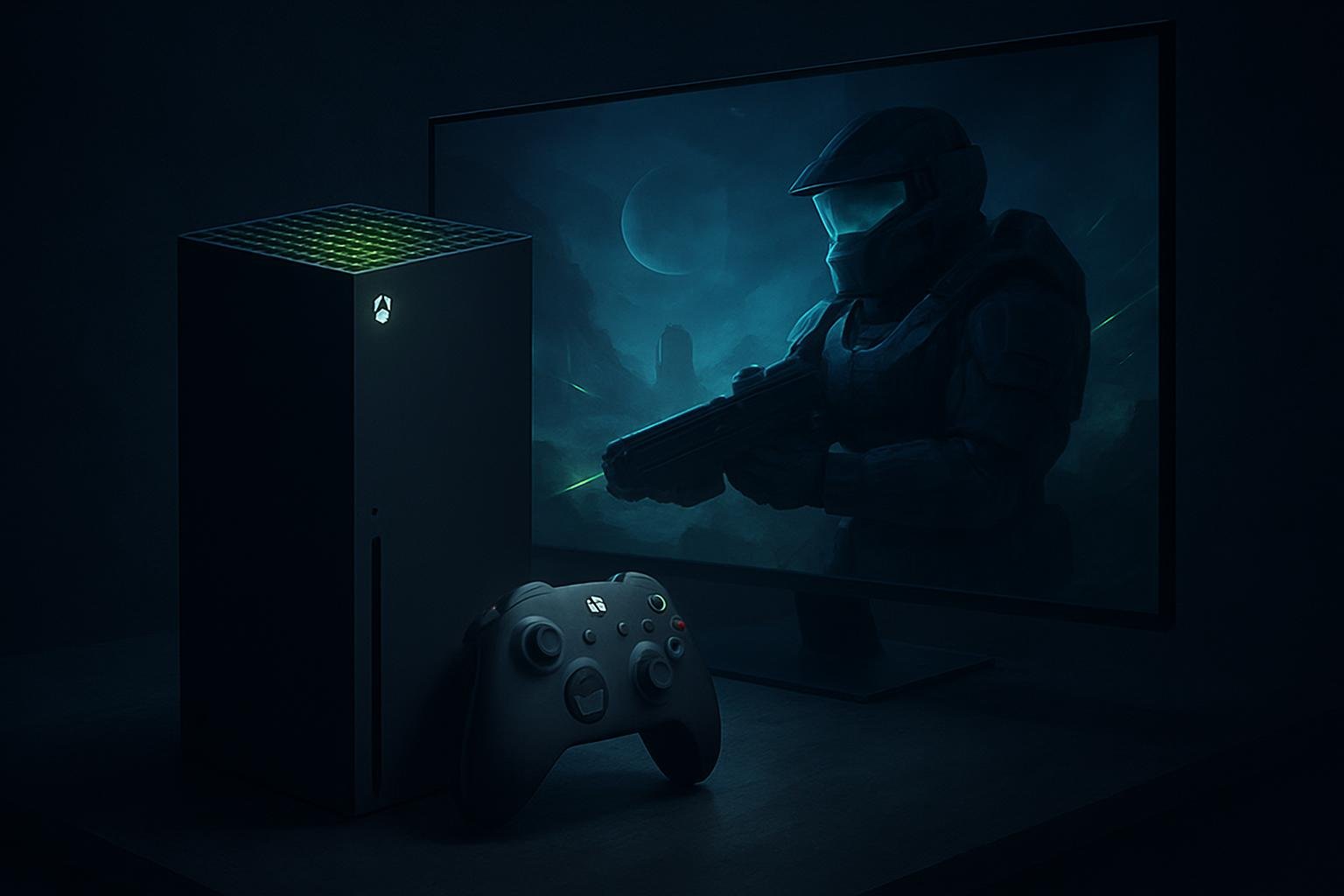
Ice Cream Simulator is built to let players run an ice cream shop without racing a countdown: customers will wait indefinitely while you prepare an order or step away. The game’s creators say that choice is meant to keep the focus on the decisions behind the business, rather than turning service into a test of speed.
That design choice shapes the rest of the shop routine. Players serve ice cream with toppings and sauces, along with milkshakes, during the day, then prepare for upcoming business at night. The creators describe the cycle as a chance to enjoy both serving customers and getting ready for the next day, with no impatient queue forcing every action to happen faster.
The announcement comes from a developer explanation published on Xbox Wire. It sets out the intended feel and several management systems, but doesn’t provide a release date or specify platform availability. The practical details are about the kind of shop players can build and how their choices affect the customers they want to attract.
A shop routine without a service timer
In many shop-management games, a customer waiting at the counter creates a timer whether or not one is shown on screen. Here, the developers say customers have unlimited patience: players can take their time with an order, pause to consider a decision, or leave and return later without finding that the customer has walked away.
That doesn’t mean there are no business decisions to make. Instead, the developers want players to spend their attention on what sort of shop they’re building. A relaxed pace makes it easier to consider the menu, costs and surroundings without treating every choice as something that has to be made between impatient customers.
The day-and-night structure gives those activities different places in the routine. Daytime is for serving the available menu, while nighttime is for preparing for the days ahead. The source doesn’t specify every preparation task, so it’s best understood as a broad rhythm rather than a detailed account of a nightly checklist. What is clear is that service and preparation are both part of the intended experience.
Infinite patience also changes the stakes of a missed moment. A customer can be left waiting, but the developers say they’ll remain ready to order. The post presents that as a deliberate rejection of added time pressure, not as a challenge players are expected to overcome through faster clicking or more efficient service.
Three audiences shape the business
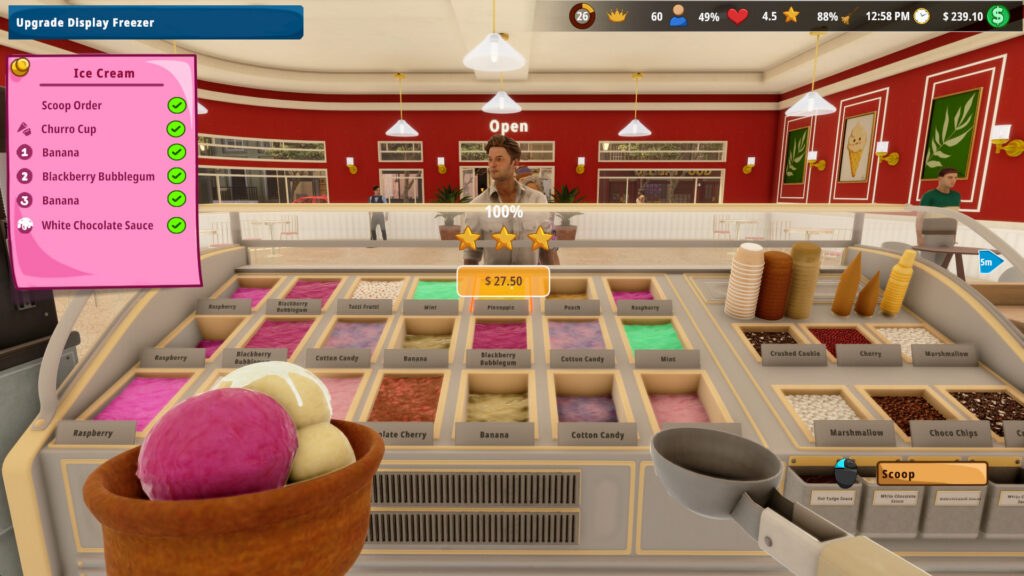
The game’s customer groups give players a reason to think about how they spend on ingredients. Elite customers prioritize the quality of the ice cream and aren’t concerned about its price. Office customers look for a balance between quality and affordability. Casual customers care most about getting an inexpensive option, making premium ingredients less central to what they value.
Those preferences make ingredient choices a question of fit. A shop trying to appeal to casual customers can focus on keeping costs down, while a business aimed at elite customers has a reason to spend more on quality. Office customers sit between those approaches, with value depending on both what the ice cream is like and what it costs.
The developers’ point is that the most expensive ingredients shouldn’t be an automatic answer. A higher-cost choice may suit one kind of shop, but it isn’t necessarily the right way to serve every audience. Players are being asked to decide what business they want to run, then make purchases that support that direction.
The source doesn’t spell out specific prices, profit figures or a formula for how customer preferences affect sales. It does establish the broad trade-off: ingredient quality and affordability matter differently to each group. That gives the business a strategic layer without requiring players to serve every order against a clock.
Decorating is part of the strategy
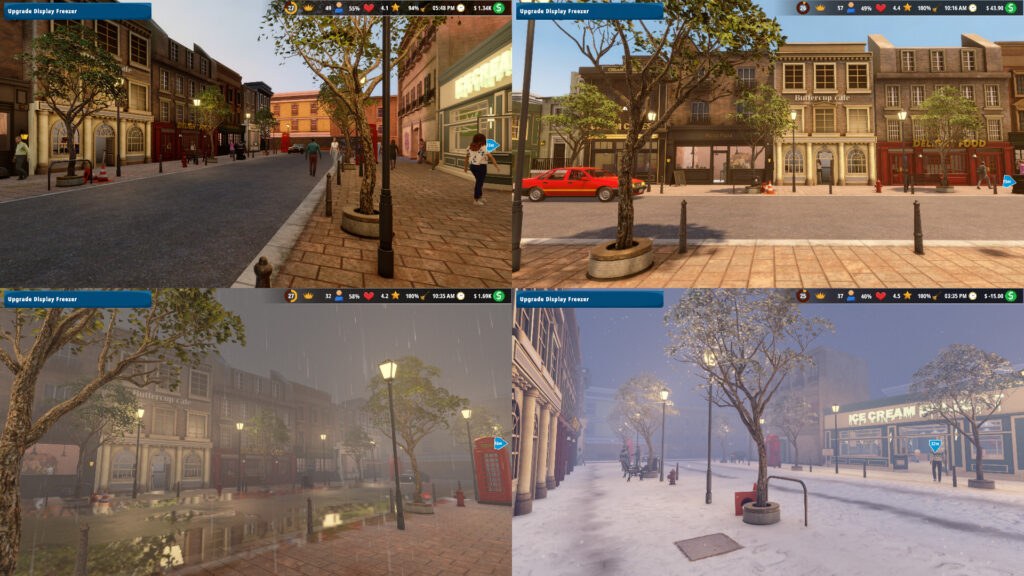
Shop appearance is connected to customer attraction through an attribute the developers call attractiveness. Renovating the floors, walls and ceiling can therefore contribute to the kind of place a player is building, rather than being only a visual change. The post mentions renovation choices that range up to premium options, linking the look of the room to the broader question of who the shop is meant to draw in.
That makes decoration another way to express a business plan. Ingredient spending and the shop’s surroundings can be considered together: players choose what they serve and shape the space in which customers enjoy it. The announcement doesn’t provide numbers for the attractiveness attribute or say precisely how particular renovations affect customer groups, so it doesn’t support a more exact claim about the best combination.
Seating adds a small customer interaction to the room. Customers can sit down to enjoy their ice cream and leave a tip. That detail makes furnishing more than a purely cosmetic concern, although the source doesn’t describe a tipping rate or say how seating changes the shop’s overall income.
The result, as presented by the developers, is a shop that can feel personal without making decoration separate from management. Players can choose the surroundings they want and consider whether those surroundings suit their intended business. There’s room to make the place their own, but the post frames that freedom alongside the shop’s customers and costs.
Weather changes the pace, not the patience
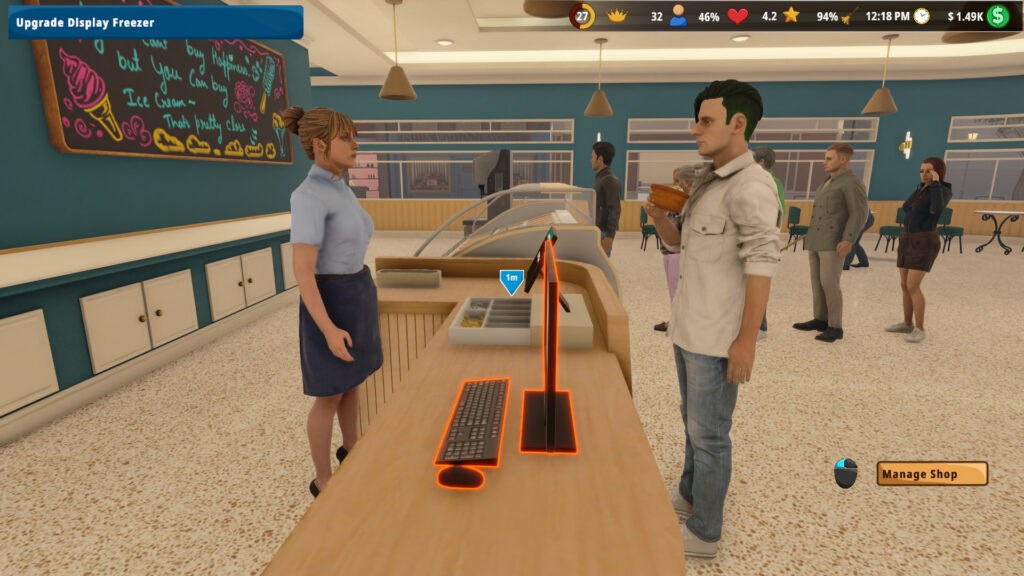
Weather is another source of variation. The game has four weather conditions, and the condition changes every two in-game days. Each affects the visuals and the number of customers who visit, giving familiar surroundings a different look and altering how busy the shop is.
That means a day’s customer count can vary with the weather, even though individual customers won’t abandon their orders for taking too long. The two systems do different jobs: changing conditions affect how many people arrive, while unlimited patience keeps service from becoming a race once they’re there. The creators describe weather as a way to vary atmosphere and pace, not as a countdown mechanic.
The source doesn’t name the four conditions, quantify their effects or explain whether players can influence the weather. It does establish the schedule and the two stated consequences: visual changes and changes in visitor numbers. That’s enough to show how weather can add variation to the daily routine, without suggesting a detailed forecasting or response system that the announcement doesn’t describe.
Overall, the design pitch is a management game that asks players to make choices at an unhurried pace. The supported decisions are concrete: select ingredients with a customer group in mind, renovate the shop, arrange seating, and account for weather changing visitor numbers. The developers’ central promise is that those decisions won’t be wrapped in a requirement to serve each customer before a timer runs out.
For players who enjoy planning a business more than optimizing rapid service, that distinction is the clearest reason to pay attention to Ice Cream Simulator. The announcement focuses on the intended systems and atmosphere; it doesn’t confirm a release schedule or where the game will be available.