Xbox Marks 25 Years With a Look Back—and a Broad Promise for Its Next Generation
Xbox is marking 25 years since the original console launched with a retrospective on the platform’s history and a call to make ambitious games easier to create. In a message sent to Microsoft employees around the world, the company also said its anniversary celebrations would come to Seattle and noted that a fifth generation of Xbox consoles is on the way.
The message, signed “Asha,” doesn’t announce a new console, game, or release date. Its forward-looking section instead lays out a goal: give creators more ability to realize their ideas, while continuing to deliver games and distinctive hardware. For players, that’s a statement of direction rather than a change to what they can play today.
From a PC gaming idea to Xbox Live
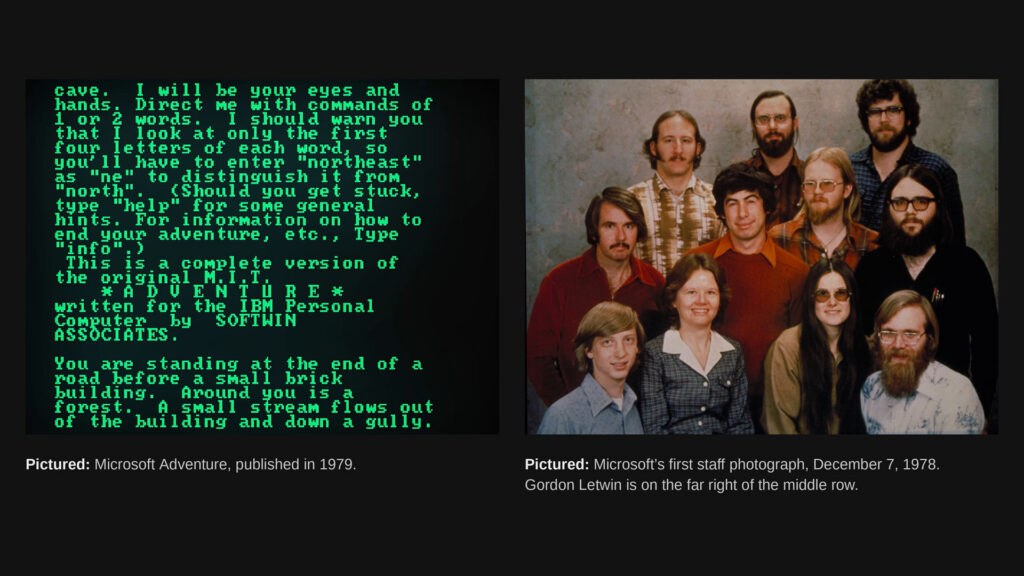
The history in the letter begins before Xbox existed. Microsoft released Microsoft Adventure in 1979, a text-based game adapted by Gordon Letwin, one of the company’s first 13 employees. It let players explore, gather treasure, solve puzzles, and encounter mythical creatures—an early example of Microsoft’s interest in interactive worlds, even when those worlds were represented in text.
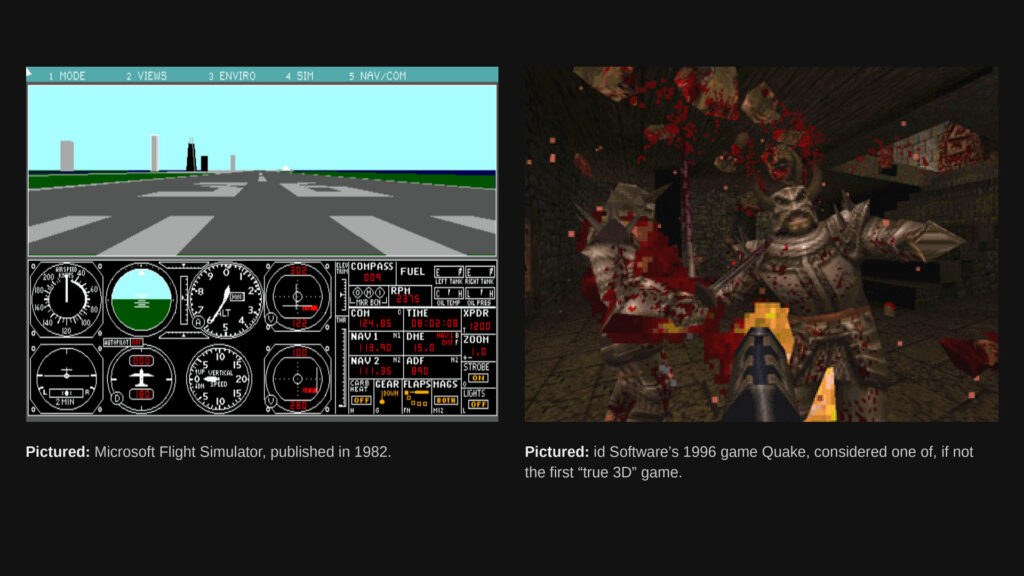
The company later published titles including Minesweeper and Age of Empires, as well as more entries in the Microsoft Flight Simulator series. The letter also credits Windows and its work with developers such as id Software with helping bring 3D gaming to PCs. That history matters to Xbox’s origin: the first console grew out of a team working on DirectX, Microsoft technology intended to help developers make games for Windows.
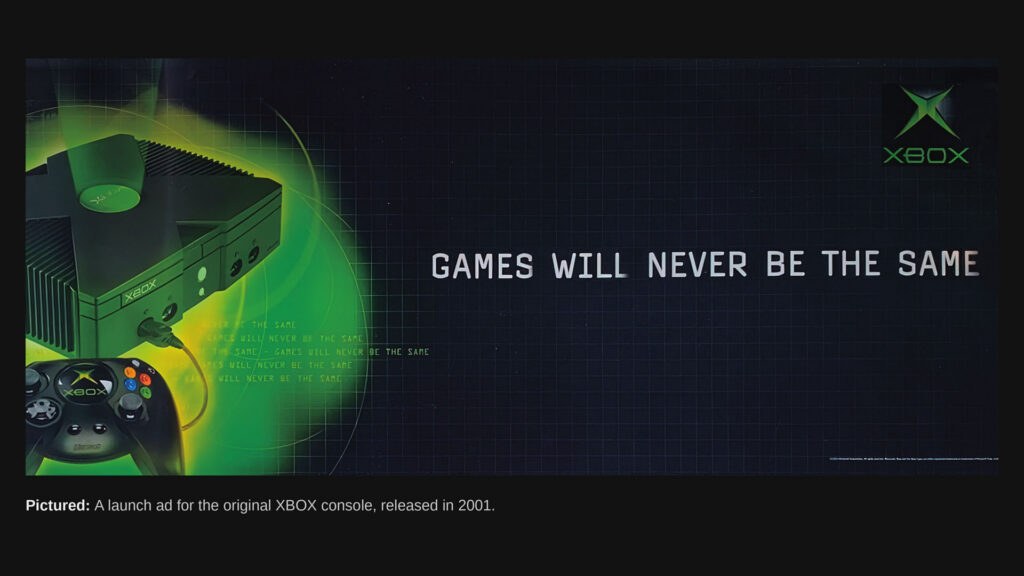
That team’s idea was to use PC architecture to power a new American video game console. Work began under the codename “Project Midway,” and the original Xbox arrived in 2001 with a design that was difficult to mistake for its rivals: a large black enclosure, a prominent X, and a green jewel at its center.
The hardware choices were part of the pitch. The console included a hard drive, while competing systems required players to buy separate memory cards, and it had an Ethernet port at a time when the letter says nine out of ten households still used dial-up internet. Microsoft also pointed to the Xbox’s processing power and dual analog controllers as distinguishing features.
Xbox Live followed a year later. Persistent friend lists and matchmaking gave players ways to find and connect with one another, while a shared service gave developers a common foundation for online features. The letter presents Halo: Combat Evolved, an Xbox launch title, as the game that brought the original console’s hardware and online ambitions into focus.
A much wider Xbox audience
Microsoft says Xbox has now built four console generations, with a fifth in development or on the way, and that its games reach more than a billion players each year. The company’s list of franchises spans shooters, role-playing games, strategy, racing, and casual games: Call of Duty, Candy Crush, Diablo, Doom, Fable, Fallout, Forza, Gears of War, Halo, Minecraft, Overwatch, Sea of Thieves, The Elder Scrolls, StarCraft, Warcraft, and Wolfenstein.
That reach is broader than a count of console owners: the company describes its audience across its games, rather than saying that more than a billion people play on Xbox hardware. The distinction is useful as Microsoft reflects on a business that has expanded beyond the original box under the television. The letter doesn’t break down that audience by platform or explain how the annual figure is calculated.
The anniversary also recognizes the people who built the platform. Microsoft says 111 employees across Xbox and its studios have been with the organization for at least 25 years, and that each will receive an engraved console. The gesture is tied to the milestone, not described as a retail edition or a product for players to buy.
The message’s personal dimension is about what games can mean outside their mechanics: friendships formed while playing, couples who met through games, and parents sharing familiar titles with their children. It also acknowledges that playing together can remain important after someone is gone. That emphasis gives the retrospective a human focus, but it doesn’t introduce a new community feature or service.
The next ambition—and what remains unspecified
To illustrate how technology can change what a game can contain, the letter compares the first Microsoft Flight Simulator with the 2024 version. The original was 160 KB, used 2D graphics and 16 colors, and included 20 airports. Microsoft says the 2024 game draws on more than 2.5 petabytes of data and depicts a 200-million-square-mile map, with cities, roads, landmarks, individually rendered trees, and real-world weather reproduced in near real time.
The comparison is also a warning about the cost of that progress. Microsoft says the resources, expense, and risk involved in making modern games have grown alongside their technical scope, leaving some ideas unrealized and some finished games short of what their creators intended. The message doesn’t offer a specific remedy, budget, tool, or timetable; it argues that the industry should change the constraints on what teams can make.
Asha’s vision is that an individual could eventually use capabilities once reserved for nations, small teams could build worlds that now take hundreds of developers and hundreds of millions of dollars, and large studios could pursue projects beyond today’s scale. These are predictions about what may become possible, not descriptions of an announced Xbox feature or a confirmed development program.
For players, the practical test will be whether that ambition leads to more games reaching release, or to projects that better match what their creators set out to make. The letter doesn’t say how Xbox plans to achieve that, and it doesn’t name any upcoming titles or hardware specifications. It does confirm the broad milestones: Xbox is celebrating 25 years, the company says a fifth console generation is ahead, and it wants the next era to give creators more room to build.